Top 10 Best Types of Mythology
Stories of gods, monsters, epic battles, and the occasional world-ending prophecy have been passed down for centuries, and they still manage to fire up imaginations today. Mythology isn't just old stories. It's how people once explained the skies above, the world around them, and all the weird stuff that didn't have a scientific explanation yet. Myths were basically the original search engine. Instead of Google, you had a wise elder talking about a snake that created the oceans.
Each type of mythology comes with its own flavor. Some are filled with honor-bound warriors and icy giants. Others bring you sun gods who ride across the sky in flaming chariots. You might find trickster spirits pulling pranks or goddesses who control everything from love to death. Some are poetic, some are brutal, and a few are so wildly over-the-top that you almost wonder how anyone managed to keep a straight face while telling them. Still, they were serious business at the time. They shaped rituals, influenced kings, and inspired some truly epic sculptures.
-
Greek Mythology
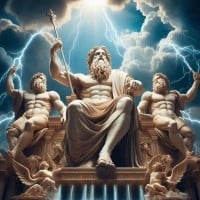
Greek mythology is a collection of stories and teachings from ancient Greece that explain natural phenomena, human behavior, and cultural traditions. It features a pantheon of gods and goddesses such as Zeus, Hera, and Athena who reside on Mount Olympus. Many myths are preserved in literary works like Homer's Iliad and Odyssey.
The amount of detail that is unknown to many people is astonishing. For example, the names of the men trying to marry Penelope, Odysseus' wife, each had a specific meaning. Consider Antinoos - Anti-noos - "Against thinking" - basically the one who will try to fool you so you think differently. Odysseus killed him with an arrow through his larynx - our vocal organ, so as to silence him. Such unknown details are endless. There is a hidden meaning in almost everything you read about.
The Greek gods can be very scummy and sometimes act immorally, but they made Greece popular as hell! Demigods, epics, war, and divine intervention from the gods - let's not forget Iliad and Odyssey by Homer! There are so many mini-stories in Greek mythology, which makes it super fun to learn!
-
Norse Mythology

Norse mythology is the body of myths from the Norse people, primarily recorded in the Poetic and Prose Eddas. It includes deities like Odin, Thor, and Loki, and portrays events like Ragnarök, the prophesied end of the world. These myths originate from Scandinavia and were passed down orally before being written in Old Norse.
Easily the most interesting. On one hand, there are so few sources, but on the other hand, the ones we have tend to be more consistent, though not always. But most of them were written by Christians, of course, as well as Arabic people, since the Old Norse people did not tend to be well-versed in written languages before the Christianization of the nations.
It has amazing, epic, but also surreal tales of a creature having their feet breed with one another and birthing beings out of his armpits, and has all the trappings of modern, or 1950s, fantasy literature. Even today's fantasy literature. But only it still feels fresh and its own. The idea of a world tree with many different worlds planted on it is very fascinating to me as well. We have had mountains, humanoid bodies, and many other kinds of cosmologies across the world, but I love my ancestors' idea of a giant tree the most.
Then there are the people of our nations themselves. They were big believers in honor, winning honor and riches by deeds, but of course, some were unhealthily fascinated with plundering, murdering, and raping women, especially women of foreign countries. The vikings, however, were pirates, not at all the main populations. That is what the definition of a viking is, by the way - a pirate, a plunderer.
Despite seeming insane by today's standards, the idea of going to Valhalla to live the good life when you die in battle is cool-sounding, but of course mostly in a historical, or maybe more literary, mindset. People would not do such a thing today or think it as honorable. But it is fascinating to read sagas, as well as modern interpretations of Old Norse life, where this may be a strong theme.
A little bit on the Old Norse people themselves:... read more
-
Egyptian Mythology
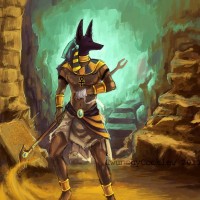
Egyptian mythology consists of religious beliefs and stories from ancient Egypt, centered around gods like Ra, Osiris, and Isis. These myths explain the creation of the world, the afterlife, and the cycles of nature. They are documented in tomb inscriptions, temple carvings, and papyrus texts.
Dude, this mythology should be in the top 3. They had very powerful hero gods and villain gods. For instance, Set was strong enough to move stars with his bare hands and could potentially be an ancient description of a planet buster by modern comic standards.
Egyptian gods have gone through some of the craziest back-and-forth battles. Horus had infinite stamina and could fight Set for three days straight, no food, no water. Amun Ra is basically the living tribunal then. There's Sekhmet, who almost made mankind extinct when Ra was pissed off. There were even villain magicians who could match Thoth's wisdom as a result of practicing heka (magic) to its fullest. Egypt also had some dope mythologies. They should be far up from where they are now.
-
Arthurian Mythology
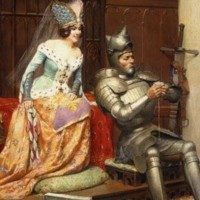
Arthurian mythology refers to the legends surrounding King Arthur and his knights, primarily originating from medieval Britain. It includes figures such as Merlin, Guinevere, and Lancelot, and elements like the Holy Grail and Excalibur. These stories have been recorded in works by authors like Geoffrey of Monmouth and Thomas Malory.
I like reading up on 1400s mythology.
-
Chinese Mythology
Chinese mythology is composed of folk tales, Confucian teachings, Taoist beliefs, and ancient legends, often blending myth and history. It features deities like the Jade Emperor, mythic figures such as Pangu and Nuwa, and legendary emperors like Huangdi. Stories were transmitted through oral tradition and classical texts.
Chinese mythology is one of the oldest. The novel Journey to the West is a great example.
I think it is very unique, and it has very cool myths, stories, and unique perspectives.
Kinda complicated and hard but yeah, super cool and fun to learn!
-
Celtic Mythology
Celtic mythology comes from the traditions of the ancient Celtic peoples of Western Europe, especially Ireland and Wales. It features deities like the Dagda, Brigid, and Lugh, and includes tales such as the Ulster Cycle and the Mabinogion. Much of it was preserved in medieval manuscripts written by Christian monks.
I love learning about Celtic mythology. I'm surprised it's so low.
Celtic is awesome. It should be way higher.
Cyclopes are my favorite creatures, and there are a lot of those. Also, the gods are cool.
-
Japanese Mythology
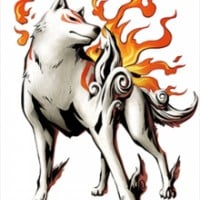
Japanese mythology includes ancient Shinto beliefs and some Buddhist influences, with gods and spirits known as kami. Central texts like the Kojiki and Nihon Shoki detail the creation of Japan and the divine ancestry of its emperors. Key figures include Amaterasu, Susanoo, and Izanagi.
Japanese mythology is so diverse! The yokai can be minuscule or enormous. Sometimes they might live in the underworld. Some roam ours. They have so many different powers, intellects, and looks. They can have completely different personalities despite being a species. Some are kind of ridiculous, but some are terrifying.
Then when you look at the gods, you don't even know where to start because they have over 8 million. Personally, Japanese mythology will always be my favorite.
Japanese mythology is by far my favorite. The yokai are terrifying and bone-chilling, which makes it so, so good. Though it isn't as popular or huge as Greek or Norse mythology, the creatures and legends it has deserve all the credit. It should definitely be higher on this list.
-
Hindu Mythology
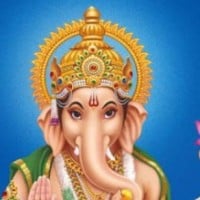
Hindu mythology encompasses the narratives found in ancient Indian texts like the Vedas, Puranas, and epics such as the Mahabharata and Ramayana. It includes a wide range of gods and goddesses such as Vishnu, Shiva, and Devi, often tied to cosmic functions. The stories reflect themes of dharma, karma, and the cyclical nature of time.
In my opinion, Hindu mythology is the BEST! Hey, this might be because I'm Hindu and I may be biased. Well, I try not to be. I was searching about mythology for a project and I stumbled past this website. This got me thinking about this.
Hindu mythology is the base of moral values. Hindu mythology has its own gods, its own events, its own amazing qualities. Everyone seems to be so calm, so just. Ranging from the EPIC Mahabharata to the simple daily lives of the gods, what's there not to like? I've learned to appreciate these stories and events. I guess that's it. There is so much more to say that by the time I finish, my fingers would have decayed. This is just my opinion, and I have no intention of disrespecting any other religions or mythologies.
I rest my case!
-
Roman Mythology
Roman mythology adapted many elements from Greek mythology but assigned Latin names to the deities, such as Jupiter for Zeus and Venus for Aphrodite. It includes foundational myths like that of Romulus and Remus. These stories were integral to Roman religion and identity.
I love these myths too. It's cool and less violent, but my favorite part about it is that these Roman gods have triads that focus on something, like the Capitoline Triad.
The Roman mythology is like the other side to Greek mythology.
Just Greek mythology flipped over but still fun. More military-like.
-
Persian Mythology
Persian mythology originates from ancient Iran and is primarily preserved in texts like the Avesta and Shahnameh. It features a dualistic cosmology with a struggle between Ahura Mazda, the force of good, and Angra Mainyu, the force of evil. The mythology includes heroic figures like Rostam and mythic kings such as Jamshid.
Elamite, Persian, and Iranian mythologies comprise the longest continual body of world mythology.
-
?
Abrahamic Mythology
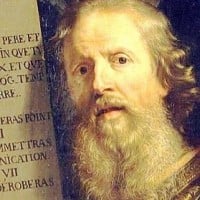
Abrahamic mythology refers to the shared mythic narratives and figures found in Judaism, Christianity, and Islam. It includes creation stories, the Great Flood, and the lives of patriarchs like Abraham, Moses, and Noah. These myths are recorded in sacred scriptures such as the Torah, Bible, and Quran.
-
?
Arabian Mythology
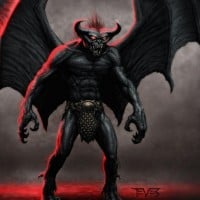
Arabian mythology refers to pre-Islamic myths and legends from the Arabian Peninsula. It includes deities such as Hubal and Al-Lat, as well as jinn, ghouls, and other supernatural beings. Many of these stories were preserved through oral poetry and later Islamic texts.
-
Aztec Mythology
Aztec mythology includes the beliefs and stories of the Mexica people of central Mexico before Spanish colonization. It centers around gods like Quetzalcoatl, Huitzilopochtli, and Tezcatlipoca, and describes a cosmology involving multiple worlds and cycles of creation. The myths were preserved in codices and Spanish accounts.
I, for one, think that Aztec mythology is beautiful. I believe it should be much higher.
-
Germanic Mythology
Germanic mythology refers to the myths of the early Germanic peoples, including continental tribes distinct from the Norse. It includes gods such as Tiwaz, Wodan, and Donar, and was primarily passed down through oral tradition before fragmentary documentation by Roman and medieval sources. Elements of it influenced later Norse mythology.
-
Christian Mythology
Christian mythology refers to the body of traditional stories found within the Bible and related texts, involving divine figures, miracles, and eschatological themes. Central narratives include the creation of the world, the life of Jesus Christ, and the final judgment. These stories have influenced theology, art, and literature across centuries.
Almost as gruesome and barbaric as the others, it's put nice and orderly in one book. It stole a bit of mythology from earlier sources (such as the flood from Gilgamesh, creation, Yahweh killing a great sea serpent with a sword, turning water into wine from the Greek god of wine, etc.). However, it does so less than others and keeps itself mostly grounded in reality post-Exodus.
Pretty good storytelling, but a bit inconsistent at times. It often features outdated ideology, like gay sex being a sin.
Probably the least gruesome mythos of all of these, less action but more good vibes.
-
Inca Mythology
Inca mythology is the religious and mythological belief system of the Inca Empire, centered around gods such as Inti (sun god) and Viracocha (creator god). Stories often explain natural features and imperial lineage, portraying rulers as descendants of divine beings. Much of it was recorded post-conquest by Spanish chroniclers.
They are so interesting, not just their mythology, but as people. I like to think that mythology is a reflection of who created it.
-
Buddhist Mythology
Buddhist mythology includes narratives about the historical Buddha and numerous bodhisattvas, celestial beings, and cosmological realms. Stories are found in texts like the Jataka Tales, which recount the Buddha's previous lives. The mythology varies among different schools such as Theravāda, Mahāyāna, and Vajrayāna.
-
Mesopotamian Mythology
Mesopotamian mythology includes the myths of the Sumerians, Akkadians, Babylonians, and Assyrians, preserved on cuneiform tablets. Notable stories include the Epic of Gilgamesh and the Enuma Elish, which detail themes of kingship, mortality, and creation. The pantheon features gods like Enlil, Ishtar, and Marduk.
The father of all mythologies. It inspired Greek mythology and others and should be in the top 5.
I love how the first mythology ever recorded really influenced generations to come.
-
Jewish Mythology
Jewish mythology includes narratives found in the Hebrew Bible, along with rabbinic traditions and mystical texts like the Zohar. It features stories of figures such as Adam, Moses, and Elijah, as well as concepts like angels, demons, and the Messiah. These myths are deeply tied to religious teachings and cultural identity.
Great stories that fit into history!
-
Maya Mythology
Maya mythology comes from the ancient Maya civilization and is recorded in texts like the Popol Vuh. It features gods like Itzamna and Kukulkan and includes complex creation stories, hero twins, and cycles of destruction and rebirth. Many myths are linked to astronomical and calendrical systems.
-
Native American Mythology
Native American mythology encompasses diverse stories and traditions from hundreds of Indigenous cultures across North America. Common themes include creation, trickster figures, nature spirits, and moral lessons. These myths were traditionally passed down orally and vary widely by region and tribe.
-
Korean Mythology
Korean mythology blends shamanistic, Buddhist, and Confucian elements, and includes myths such as the founding of Gojoseon by Dangun. It features a variety of gods, spirits, and folk heroes, with stories explaining natural phenomena and ancestral origins. The myths were passed down orally and later recorded in historical texts like the Samguk Yusa.
Korean mythology is pretty hard to pronounce, but the stories are so good! I love it!
-
Ananse Stories
Ananse stories are a collection of folktales from West African oral tradition, especially among the Akan people of Ghana. They feature the spider Ananse as a trickster who often uses cunning to overcome stronger opponents. These stories were transmitted orally and spread to the Americas through the transatlantic slave trade.
Ananse stories originally began as tales of the anti-hero, Kweku Anansi, and evolved with a very large addition of characters. What sets Ananse stories apart from other mythologies is the maturity these stories carry. Let's face it: Greek mythology and others are so old they barely resonate when we read them. They're just classic. Ananse stories, on the other hand, are well-thought-out stories, from their structure to their content.
In the Ashanti Empire, children would gather around the storyteller as they enlightened everyone. What makes it interesting is that for a civilization that did not have a widespread writing system, their stories sound much more mature and realistic in our modern age, although they are pretty old.
-
Babylonian Mythology
Babylonian mythology originates from ancient Mesopotamia and includes stories recorded in cuneiform on clay tablets. Key texts like the Enuma Elish describe the creation of the world and feature gods such as Marduk and Tiamat. It shares many deities and themes with Sumerian and Assyrian mythologies.
-
Islamic Mythology
Islamic mythology is derived from the Quran, Hadith, and various Islamic traditions, incorporating stories about prophets, angels, and jinn. It includes figures like Adam, Noah, and Muhammad, and events such as the Isra and Mi'raj. These narratives serve theological, moral, and cosmological purposes within Islam.
-
English Mythology
English mythology consists of folk tales, legends, and mythic elements from early Anglo-Saxon, Celtic, and later medieval sources. It includes creatures like dragons and fairies, and stories such as Beowulf and Robin Hood. Much of it blends pagan and Christian influences.
-
Yoruba Mythology
Yoruba mythology originates from the Yoruba people of West Africa and includes a pantheon of deities called Orishas. Central figures include Olodumare, Shango, and Oshun, with stories explaining creation, morality, and the connection between humans and the divine. Oral tradition and ritual practice play major roles in its transmission.